
Issue 06 · 16 November 2026
21 rival banks are pooling 270 million dollars to build one stablecoin. What it means for partnerships.
Hello,
We’re already halfway through November, and the final stretch of the year is filling up fast.
On Tuesday 1 December, I’ll be delivering the closing keynote of the Fintech Marketing and Growth track at FinTech Connect, ExCeL London. My talk is on how the chief marketing officer is evolving from brand guardian to growth architect in the age of AI.
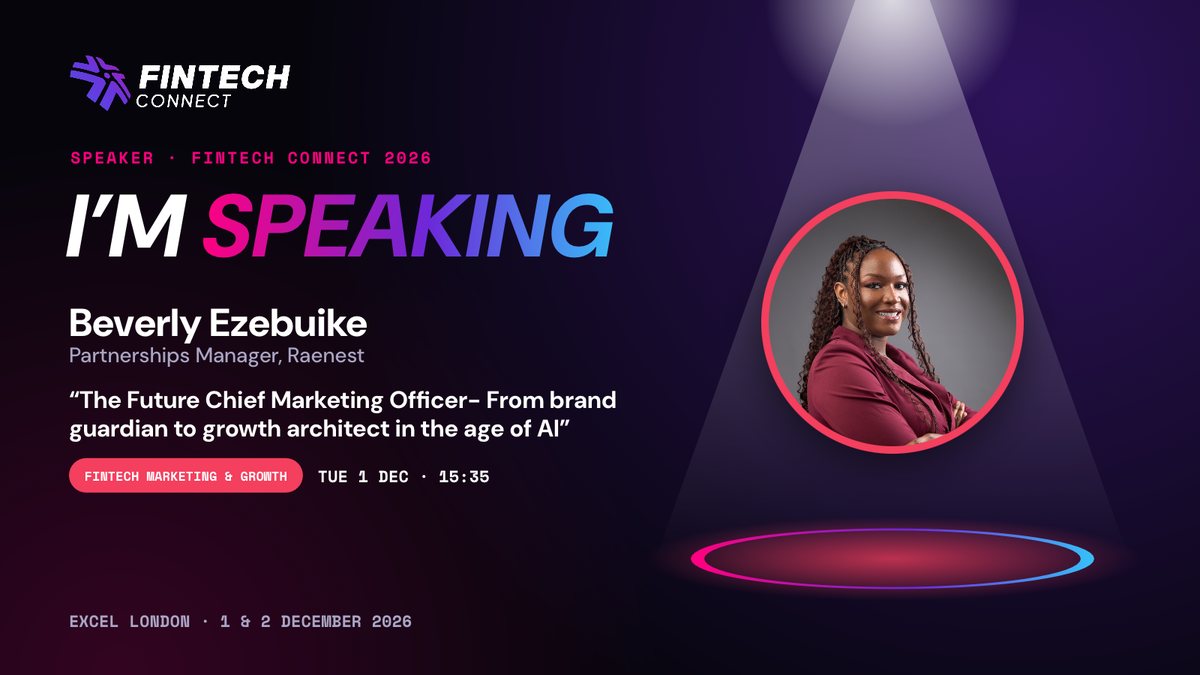
Being part of this community comes with perks, so I’ve secured free passes for anyone here who’d like to join me. It’s two days with the people shaping payments, banking and AI, and one of the best rooms of the year to meet your next partner. Just request your pass here and I’ll send you the code.
Now, on to this week’s deal, and it’s a rare one.
Most of the deals I write about are between partners. This one is between rivals. Twenty-one of the world’s biggest financial institutions, many of them direct competitors, have put real money behind one shared project, and it’s the clearest sign yet of where stablecoins in global finance are heading.
🏦 The deal
What happened?
On 10 November 2026, Bloomberg reported that a group of banks including Goldman Sachs, Citi, Santander and Deutsche Bank had committed around 270 million dollars to Project Faro, a joint venture preparing to issue a US dollar stablecoin. The money covers the venture’s first five years of operating costs, not the reserves behind the token.
Project Faro was first announced in September by 21 institutions, including Bank of America, Wells Fargo, Fidelity, UBS, Lloyds, MUFG and Standard Bank. It plans to incorporate in the US and launch in the first half of 2027, with a euro token and other G7 currencies to follow. It still has no chief executive and no final name.
Why does it matter?
Tether’s USDT and Circle’s USDC together hold about 85% of a stablecoin market worth roughly 290 billion dollars. The banks are betting that trust, regulatory alignment under the US GENIUS Act and Europe’s MiCA rules, and their existing client relationships can win them a share of that settlement business.
They are not alone. Stripe, Visa and Mastercard back the Open USD initiative, and a group of European banks has formed Qivalis to issue a euro stablecoin. Global finance is building shared rails, and it is doing it through consortia.
What I would take from this if I were building
When rivals pool money, what they are building is infrastructure, not product. Twenty-one banks will share the rails, and they will still compete on everything built on top of them, from cross-border payments to treasury and custody. If you are a fintech, that is your opening. Plan now for how your product plugs into bank-issued stablecoins, not just USDT and USDC.
Consortia also move slowly. A venture with 21 owners, no chief executive and no name will take time to agree on anything. That gap is where nimble partners win, by being the integration, compliance or distribution layer the consortium needs but cannot build quickly.
When 21 rival banks share one stablecoin, the competition moves to everything built on top of it.
📌 Deals worth knowing
Coinbase is now a federally chartered trust bank. On 9 November, Coinbase announced final approval from the US Office of the Comptroller of the Currency for Coinbase National Trust Company, bringing its custody business under federal oversight. It is the third crypto firm to win a national trust charter this year, after Circle and Ripple. My take. Banks are building stablecoins, and crypto firms are becoming banks. The two sides are meeting in the middle, and that middle is where the next partnerships get signed.
Samsung added stablecoin cash-outs without building the rails itself. Coinflow and Bastion now let eligible US Samsung Wallet users convert stablecoins into dollars and withdraw to bank accounts and debit cards. Samsung launched its stablecoin feature on 7 October, reaching 82 million eligible Galaxy devices, and Bastion acts as the licensed custodian. My take. When you own the distribution, you rarely need to own the rails. Samsung stacked two specialist partners and shipped.
Imprint raised 130 million dollars to grow a business built entirely on partnerships. The co-branded card company is now valued at 1.88 billion dollars, up from 1.2 billion, with Positive Sum joining existing investors including Ribbit, Thrive, Kleiner Perkins and Khosla Ventures. It works with brands including H-E-B, Albertsons, Kroger and Shell, has more than 2 million cardholders and expects about 400 million dollars of revenue this year. My take. Every Imprint card is a deal with a brand that already owns the customer. This is partner-led growth at scale.
 |
Coming soon · The first edition Intro to Deal Salon London · Q1 2027 A quick reminder from last week. The first Intro to Deal Salon is taking place in London in the first quarter of 2027. Places will be limited and offered to this community first. Join the early list. |
☕ One question for you to reflect on this week
Twenty-one banks decided they would rather share the rails than fight over them. Which part of your business would be stronger if you built it with a competitor rather than against one?
That is this week. If a partnership is central to what you are building, or there is a business you want a warm introduction to, I’m happy to have a chat.
Until next week,
Beverly
🔗 Sources
- Goldman, Citi and global banks commit 270 million dollars to a joint stablecoin (reporting Bloomberg), Decrypt
- Wall Street banks commit 270 million dollars to stablecoin venture, FinTech Global
- Coinbase secures OCC charter to expand federal custody, FinTech Global
- Samsung Wallet adds stablecoin cash-outs through Coinflow, FinTech Global
- Imprint raises 130 million dollars at a 1.9 billion dollar valuation, Upstarts Media